
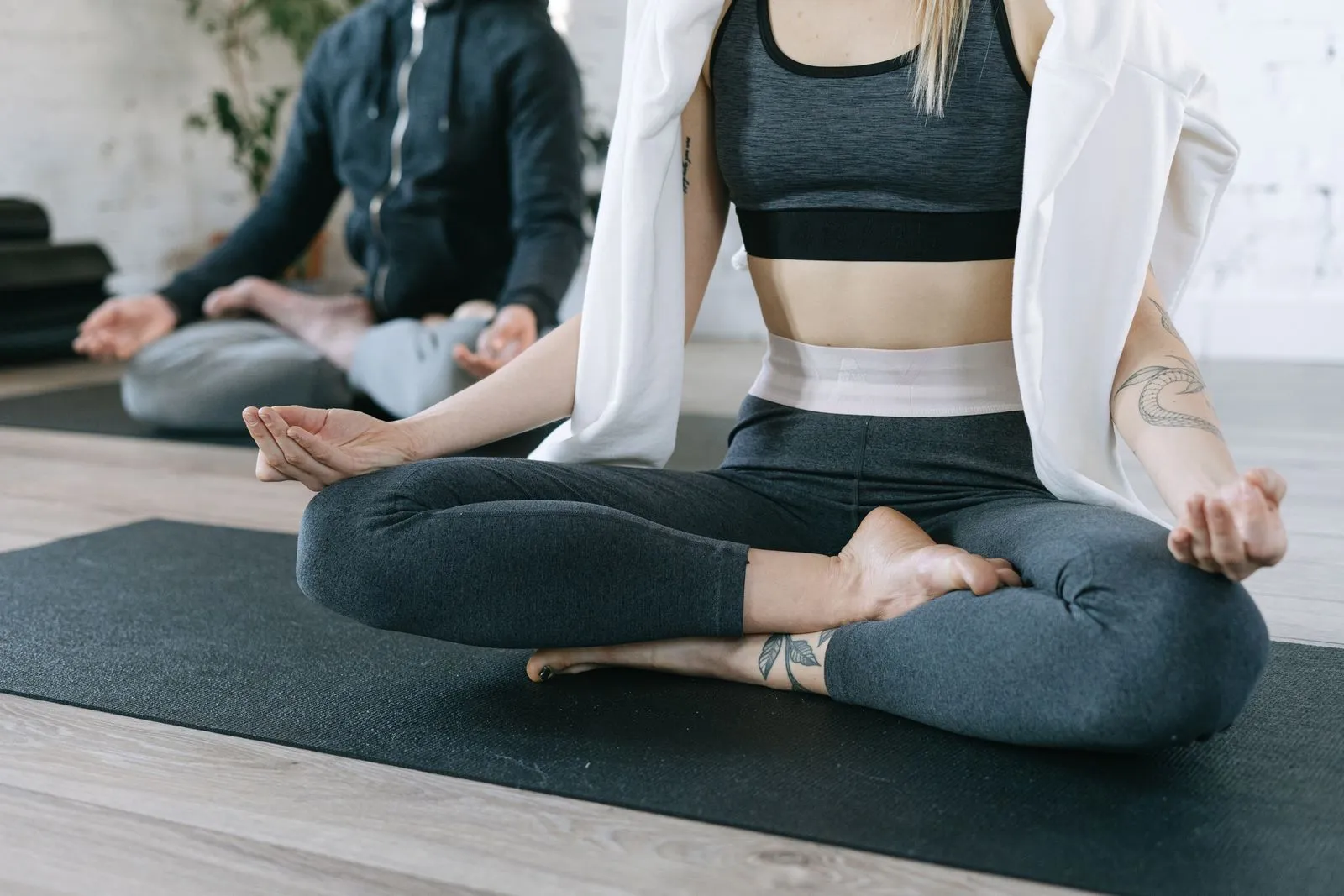
Breathwork and meditation can both help you pause and pay attention, but they are not the same practice. Breathwork deliberately uses breathing patterns as the main tool, while meditation trains attention and awareness in different ways. Knowing what happens in each can make it easier to choose a starting point. You can also combine them: a few minutes of gentle breathing may help you settle before sitting quietly, noticing sensations, or following a guided meditation.
What Breathwork Involves
Breathwork refers to intentional ways of changing or observing your breathing. A practice might invite you to slow your breath, make the exhale longer, or breathe in a steady rhythm. Some sessions use guided instructions and music; others are simple enough to do seated at home. The focus stays on the breath and how it feels, rather than on achieving a particular result.
Choose a gentle approach if you are new. Sit or lie somewhere comfortable, breathe without strain, and stop if you feel dizzy, distressed, or uncomfortable. Avoid forcing deep or rapid breaths. If you have a health condition or are unsure whether a breathing exercise is appropriate for you, ask a qualified health professional before trying it.
What Meditation Involves
Meditation is a broader set of practices for developing attention and awareness. You might focus on the breath, repeat a phrase, listen to a guided meditation, or notice thoughts and sensations without trying to change them. The breath may be part of the practice, but you do not necessarily control its pace or depth.
A wandering mind is normal during meditation. When you notice that your attention has drifted, gently return to your chosen focus. You do not need to empty your mind or sit perfectly still. Start with a short, manageable session, then adjust the length or style based on what feels comfortable and useful.
How to Choose a Practice
Consider what you want from the session. If you prefer clear, step-by-step guidance centered on breathing, try a gentle breathwork exercise. If you want to practice observing thoughts, sounds, or bodily sensations, meditation may be a better fit. Both can be guided or done independently, so the format matters as much as the label.
Your response is useful information. If focusing on your breath feels uncomfortable, try a meditation anchored to sound or touch instead. If sitting quietly feels difficult, begin with a brief, guided breathing practice. Keep the first attempt simple and notice how you feel afterward rather than expecting an immediate or dramatic change.
Ways to Combine Them
A simple sequence can bring both practices together: settle into a comfortable position, spend a few minutes breathing gently and evenly, then let your breathing return to its natural pattern. Continue with a short meditation, such as noticing sounds or returning attention to the breath whenever your mind wanders.
You can also keep the practices separate on different days and see which suits your routine. At Albany Stillpoint in Albany, you can explore breathwork and meditation in a studio setting. Whether you practice at home or with guidance, choose an approach that feels safe, accessible, and easy to return to.
Breathwork uses intentional breathing as its central focus; meditation builds attention and awareness, sometimes with the breath as an anchor. Try a gentle version of each, notice your experience, and combine them if the sequence feels comfortable. If you would like support exploring either practice, consider reaching out to Albany Stillpoint.